
- 1st Dubhash Lane, Girgaon,
Mumbai-400004
- +91-9920631634
+91 98200 31634
ERNiCr-3 Filler Metal: Best Choice for Corrosion & Heat Resistance
In modern industries, welding materials must perform under extreme conditions such as high temperatures, pressure, and corrosive environments. Choosing the right filler metal plays a crucial role in ensuring the strength and durability of welded joints.
ERNiCr-3 filler metal is one of the most trusted nickel-based welding consumables, known for its excellent performance in demanding applications. It is widely used in industries like oil & gas, power generation, and chemical processing where reliability is essential.
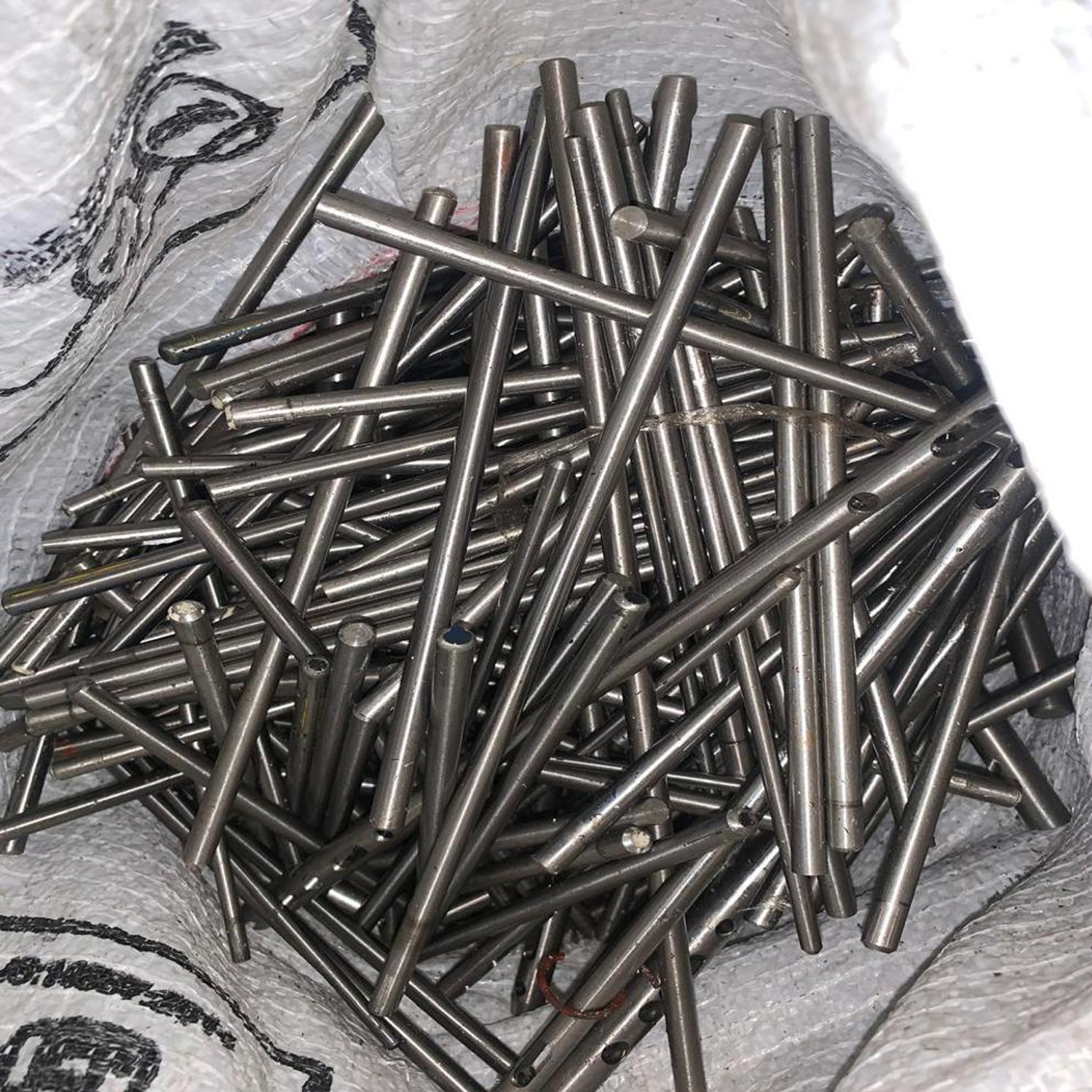
What is ERNiCr-3 Filler Metal?
ERNiCr-3 is a nickel-chromium alloy welding wire designed for both MIG and TIG welding processes. It is commonly used for welding nickel alloys such as Inconel, as well as stainless steel and dissimilar metals.
Due to its balanced chemical composition, ERNiCr-3 offers outstanding resistance to oxidation, corrosion, and thermal fatigue.
This filler metal is especially useful in applications where welds are exposed to extreme heat or aggressive chemicals, making it a preferred choice for critical engineering projects.
Chemical Composition & Properties
ERNiCr-3 contains a high percentage of nickel and chromium, which gives it superior resistance to heat and corrosion.
- High Tensile Strength – Ensures strong and long-lasting weld joints
- Oxidation Resistance – Performs well at elevated temperatures
- Thermal Stability – Maintains mechanical properties even under heat stress
- Crack Resistance – Reduces the chances of weld defects
- Good Ductility – Allows flexibility without breaking under pressure
Key Benefits of ERNiCr-3 Filler Metal
- Excellent Corrosion Resistance – Resists rust, oxidation, and chemical attack in harsh environments.
- Superior Heat Resistance – Suitable for high-temperature applications like boilers and heat exchangers.
- Versatility in Welding – Can weld nickel alloys, stainless steel, and dissimilar metals.
- Strong and Durable Welds – Produces high-quality welds with minimal cracking.
- Smooth Welding Operation – Provides stable arc performance and low spatter.
Applications of ERNiCr-3 Filler Metal
- Oil & Gas Industry – Used in pipelines, refineries, and offshore structures.
- Power Plants – Suitable for boilers, turbines, and heat exchangers.
- Chemical Processing – Ideal for equipment exposed to corrosive chemicals.
- Marine Industry – Used in shipbuilding and offshore platforms.
- Aerospace Sector – Applied in high-temperature components.
- Heavy Engineering – Used in fabrication of industrial machinery.
ERNiCr-3 vs Standard Stainless Steel Filler Metals
| Property | ERNiCr-3 | Standard Stainless Steel Fillers |
|---|---|---|
| Heat Resistance | Excellent | Moderate |
| Corrosion Resistance | Superior | Good |
| Dissimilar Metal Welding | Highly Suitable | Limited |
| Crack Resistance | High | Moderate |
| High-Temperature Stability | Excellent | Average |
Welding Tips for Best Results
- Clean the base metal properly before welding
- Use appropriate shielding gas for better arc stability
- Maintain correct welding parameters
- Avoid contamination during welding
- Store filler metals properly to prevent moisture absorption
Why Choose Metals and Welding Specialities?
- High-Quality Standards
- Wide Product Range
- Competitive Pricing
- Global Supply Network
- Technical Expertise and Support
Conclusion
ERNiCr-3 filler metal is undoubtedly one of the best choices for applications requiring high corrosion resistance and heat resistance. Its superior mechanical properties, versatility, and durability make it an essential material in critical industries.
Whether you are working in oil & gas, power generation, or chemical processing, ERNiCr-3 delivers dependable performance and long service life.
FAQ – ERNiCr-3 Filler Metal
Q1. What is ERNiCr-3 filler metal used for?
ERNiCr-3 is a nickel-chromium alloy welding wire used for welding nickel alloys, stainless steel, and dissimilar metals. It is widely used in high-temperature and corrosive environments.
Q2. Which industries commonly use ERNiCr-3?
It is commonly used in oil & gas, power generation, chemical processing, marine, aerospace, and heavy engineering industries due to its excellent performance under extreme conditions.
Q3. Why is ERNiCr-3 preferred for high-temperature applications?
ERNiCr-3 maintains its strength, ductility, and oxidation resistance even at elevated temperatures, making it ideal for boilers, heat exchangers, and furnace components.
Q4. Can ERNiCr-3 be used for dissimilar metal welding?
Yes, ERNiCr-3 is highly suitable for joining dissimilar metals such as stainless steel to nickel alloys or carbon steel, helping reduce cracking and improving weld integrity.
Q5. What are the main advantages of ERNiCr-3 filler metal?
Key advantages include excellent corrosion resistance, superior heat resistance, strong and durable welds, good ductility, and smooth welding performance with low spatter.
Q6. Is ERNiCr-3 suitable for marine environments?
Yes, it performs very well in marine and offshore environments due to its strong resistance to seawater corrosion and harsh atmospheric conditions.
Q7. Which welding processes are compatible with ERNiCr-3?
ERNiCr-3 is compatible with both MIG (GMAW) and TIG (GTAW) welding processes, offering stable arc performance and clean weld finishes.
Q8. How does ERNiCr-3 compare to stainless steel filler metals?
Compared to stainless steel fillers, ERNiCr-3 offers significantly better resistance to heat, oxidation, and corrosion, especially in extreme operating conditions.